Quality and Design: Transforming Homes Through Optimal Remodeling Techniques
August 10, 2024
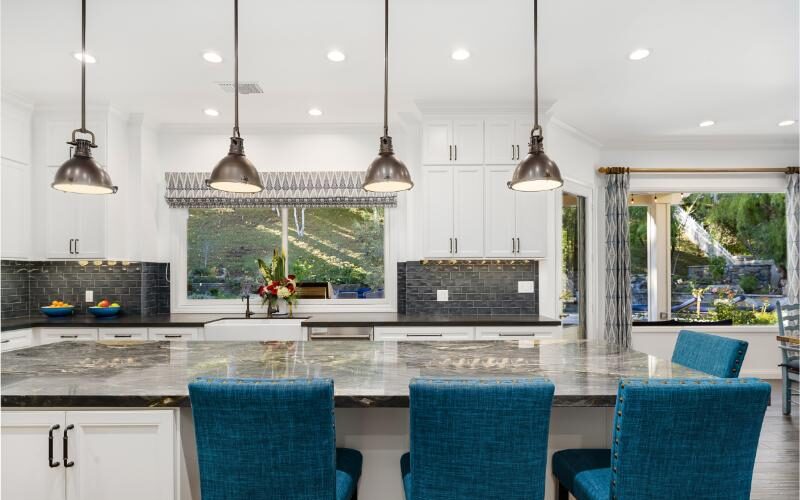
Transforming your home is more than just a renovation; it’s a meticulous blend of quality and design that reflects your personal style and meets your functional needs. Whether you are looking to update a single room or undertake a full-scale remodel, optimal designs ensure that every detail aligns with your vision, turning your living space into a true reflection of your lifestyle.
As a homeowner, you have the power to create a space that enhances both comfort and aesthetics. Quality design not only elevates the beauty of your home but also increases its value. Strategic remodeling choices, from selecting materials to the layout, can significantly impact the functionality of your space, making it a more enjoyable environment for you and your family.
Engaging with skilled professionals can help guide you through the home remodeling process. They can assist in making informed decisions, ensuring that quality is prioritized at every step. This collaborative approach leads to stunning results that not only meet your aspirations but also stand the test of time.
Planning and Design
Effective planning and design are crucial for a successful home remodel. Understanding client needs, selecting the right design and materials, and creating a project timeline are all essential components in the remodeling process.
Understanding Client Needs
Begin by gathering insights into your preferences and lifestyle requirements. This involves discussing specific functional needs, aesthetic desires, and any personal touches you envision.
You should also consider the comfort of the space. For example, assess how different layouts can affect daily activities. Collaborating with a designer or architect can help facilitate this process, ensuring that your vision is translated into a practical plan.
Taking inspiration from existing designs can also pave the way for unique design styles that resonate with your taste. Make a list of features you cannot compromise on, as well as elements you’d like to incorporate.
Selecting the Right Design and Materials
Choosing appropriate materials and a cohesive color palette is vital. Your selections should align with both aesthetics and functionality. For instance, durable materials are crucial in high-traffic areas, while softer finishes may suit more intimate spaces.
Engage with design services that offer insights into current trends and styles. This ensures your choices not only reflect your taste but also retain market value. Consider the lighting in each area, as it can dramatically affect how colors and materials appear.
A well-thought-out combination of design elements enhances both beauty and usability, creating an inviting environment.
Creating a Project Timeline
Establishing a clear timeline for your remodel is essential for managing expectations. Begin by defining key milestones in the project, such as design approvals, procurement of materials, and construction phases.
Break down the timeline into manageable tasks and coordinate with your contractor to ensure alignment. Regular check-ins help keep the project on track.
Include buffer periods in the timeline for unexpected delays or changes. By anticipating potential issues, you can maintain momentum and avoid frustration. Careful planning in this area allows you to enjoy the remodeling experience while achieving your desired outcome.
Executing the Remodel
Successfully executing a remodel requires careful planning and management. It involves choosing the right contractors, overseeing various phases of construction, and maintaining a focus on quality throughout the process.
Navigating Contractor Selection
Choosing the right contractor is crucial for your remodel’s success. Start by seeking recommendations from friends or online reviews. Focus on licensed contractors with experience in your specific type of project, whether it’s kitchen remodeling or bathroom remodeling.
Request multiple quotes to gauge pricing. Ensure the contractor provides a detailed breakdown of their budget, including estimated costs for labor and materials. Discuss timelines to ensure they align with your schedule. Don’t hesitate to ask for references and photographs of finished projects to assess quality.
Managing Home Remodel Phases
Phase management is key to a smooth remodel. Break the project into stages such as design, demolition, and construction. Each phase requires careful oversight to prevent delays or budget overruns.
Create a detailed timeline for the project and communicate it with your contractor. Regularly check in on progress to ensure everything stays on track. Use a project management tool or simple checklist to monitor tasks. Stay flexible, as issues may arise, particularly with foundation work or flooring installations. Address unexpected challenges promptly to keep your remodel moving forward.
Quality Control and Attention to Detail
Quality control is essential for achieving the desired outcome. Pay attention to fixtures, cabinetry, and materials used in your remodel. Ensure that your contractor adheres to the specified energy-efficient standards and that all installations meet local building codes.
Conduct periodic site visits to assess the work. Look out for finishing details such as paint quality and the fit of windows and doors. If any issues arise, address them immediately with your contractor. Document everything to ensure accountability and maintain high standards until the project is complete.